Argentine Steak and Tango: Eat at the Show, or at a Parrilla?
Which cut to order, how a parrilla actually works, and the honest answer on whether the steak at a tango dinner show is worth having instead of the real thing.
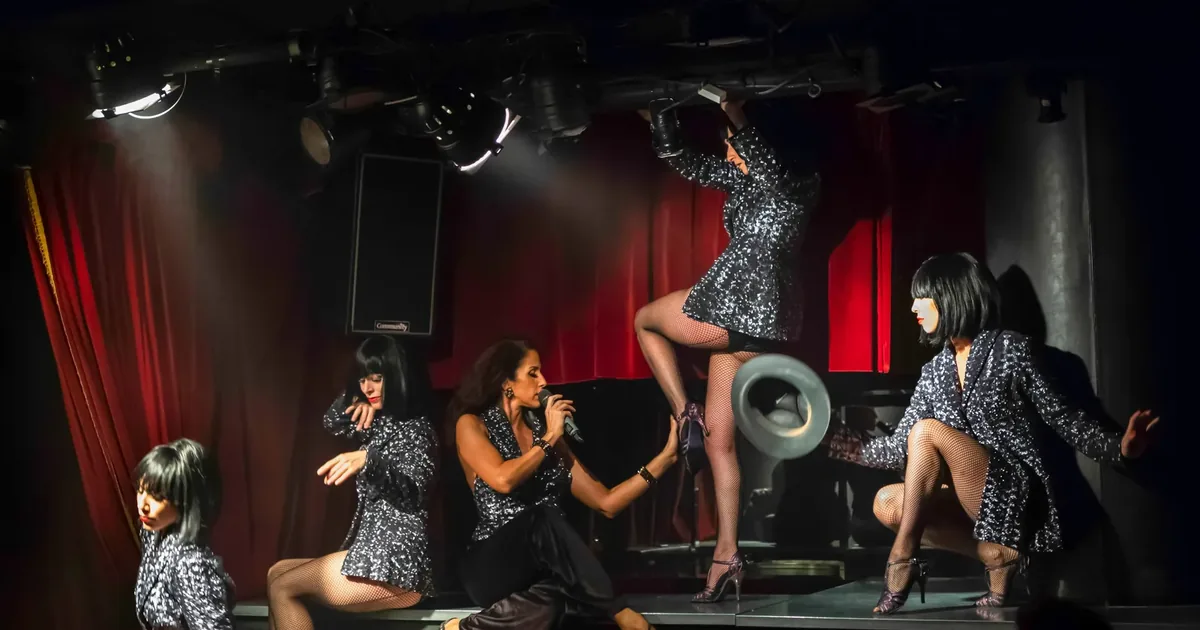
Argentine steak, a glass of Malbec and an evening of tango is the Buenos Aires cliché, and it is a cliché because it works. Beef and tango are the two things this city exports hardest, which is why nearly every tango house in it serves grilled meat as the centre of a three-course menu. But if eating serious Argentine beef is one of the reasons you are here, those two things are competing for the same evening — and one of them does the job better.
Check Availability
Should You Eat Steak at the Show, or at a Parrilla?
Both approaches work, and they are genuinely different evenings rather than better and worse versions of the same one.
A tango dinner show is easier. Dinner, drinks and the performance happen in one room, at one booking, and several packages include the transport at both ends. Señor Tango describes its own dinner menus as three courses of grilled Argentine meats, pasta and vegetarian dishes — which is an honest description of what most of these kitchens do.
A parrilla plus a show-only ticket gives you control over the cut, the cooking and the wine list, and it usually costs less overall, because the show-only seat is roughly half the package price at most venues. What it costs you is a second booking, a taxi and a check-in time you cannot miss.
The rest of this guide is the information you need to make that call: what the cuts are, how a parrilla works, and what actually turns up on the plate at a tango house.
Why Is Argentine Steak So Famous?
Beef occupies a place in Argentine food culture that has no real equivalent elsewhere — it is not a speciality, it is the default.
The word parrilla carries two meanings, and you will meet both:
- the grill itself, usually fired with wood or charcoal, and
- the restaurant built around that grill.
Buenos Aires has the full range, from neighbourhood parrillas with a handrail and eight tables to sophisticated modern steakhouses with sommeliers and a waiting list.
The underlying method barely changes between them:
good beef + fire + salt + careful cooking.
There is no marinade to hide behind and no sauce cooked into the meat. That simplicity is exactly why the gap between a parrilla and a banquet kitchen is so visible on the plate.
What Steak Should You Order in Buenos Aires?
| Argentine cut | Rough description | Best for |
|---|---|---|
| Bife de chorizo | Thick sirloin/strip-style steak | First-time visitors |
| Ojo de bife | Ribeye-style cut | Richness and marbling |
| Lomo | Tenderloin/fillet | Tender meat |
| Entraña | Skirt steak | Strong beef flavour |
| Asado de tira | Cross-cut short ribs | Traditional asado experience |
| Vacío | Flank-area cut | Slow-grilled, flavourful beef |
Bife de chorizo
Despite the name, this has nothing whatever to do with chorizo sausage — a genuinely common misunderstanding that has ruined a few orders.
Bife de chorizo is a thick, boneless sirloin-style steak and the classic Argentine steakhouse order. If you are eating Argentine beef for the first time and want the thing everyone is talking about, order this.
Ojo de bife
Ojo de bife is the eye of the rib section — comparable to a ribeye.
Choose it if you like:
- juicy steak
- visible marbling
- richer beef flavour
Lomo
Lomo is tenderloin: the leanest and most tender of the common cuts, and correspondingly the mildest in flavour. A good choice if texture matters more to you than intensity.
Entraña
Entraña is skirt steak — thin, quick over the fire, and the strongest beef flavour on the list. Popular with people who have already eaten their way through the sirloins.
Asado de tira
Asado de tira is short ribs cut across the bone into strips. This is the cut most associated with a traditional asado rather than a restaurant order, and it is the one to choose if you want the tradition rather than the tenderness.
Vacío
Vacío comes from the flank area and is grilled slowly. Flavourful, a little chewier than the premium cuts, and a staple of the neighbourhood parrilla rather than the destination one.
What Is an Argentine Parrillada?
A parrillada is a mixed grill, brought to the table on its own small brazier, and it is how a group orders.
It may include:
- beef cuts
- ribs
- chorizo sausage
- morcilla
- sweetbreads
- other offal
- chicken or pork
Two things worth knowing before you order one for the table: it is generally far more food than it looks like on the menu, and the offal is not optional garnish — morcilla and mollejas are the point for many Argentines, and the parrillada is where you find out whether they are for you.
What Is Argentine Asado?
Asado means both Argentina’s tradition of cooking meat over fire and the social gathering built around it. It is closer to “Sunday lunch” than to “barbecue” in what it implies about the day.
The three words are easy to confuse, so:
Parrilla = the grill, or the steakhouse. Asado = the barbecue tradition, and the gathering. Parrillada = an assortment of grilled meats on one plate.
You will book a parrilla, order a parrillada, and — unless you are invited to someone’s home — probably not attend an asado.
How Is Steak Cooked in Argentina?
The default is more done than most visitors expect, so it is worth saying what you want rather than assuming.
Useful Spanish:
- jugoso — juicy, roughly rare to medium-rare
- a punto — medium-ish
- bien cocido — well done
If you like a steak genuinely rare, ask for jugoso and expect it to arrive closer to medium anyway. This is a house style rather than a mistake.
Is Argentine Steak Served with Sauce?
Not on the meat. It arrives on the table instead, and you apply as much or as little as you want.
Chimichurri
The famous herb sauce — parsley, garlic, oregano, vinegar and oil, with the proportions varying by house. It is a condiment, not a marinade.
Salsa criolla
A fresh chopped relish of onion, pepper and tomato with vinegar and oil. Lighter than chimichurri and the better match for the fattier cuts.
What Else Should You Order at a Parrilla?
Provoleta
Provoleta is a disc of provolone-style cheese grilled until it collapses, usually finished with oregano and chilli. Order one between two people as a starter and you will not need anything else before the meat.
Empanadas
Many parrillas serve empanadas as starters, and they are the single best thing to eat before a tango show — small, quick and not so heavy that you spend the performance regretting it.
They also show up on the tango-house menus themselves: Café de los Angelitos includes two plus a glass of wine on its base ticket, and Tango Porteño sells a middle tier of empanadas and unlimited drinks between the bare ticket and the full dinner. See our tango dinner show menu guide for what else arrives at the table.
Chorizo
Grilled Argentine chorizo — a coarse pork-and-beef sausage, not the cured Spanish kind. In a bread roll it becomes a choripán, which is the correct thing to eat standing up.
Mollejas
Sweetbreads, grilled until the outside crisps. A parrilla signature and, for a lot of visitors, the best thing they eat in Buenos Aires.
Papas fritas
Chips. Unglamorous, universal, and the standard accompaniment — often ordered a caballo, with a fried egg on top.
What Wine Goes with Argentine Steak?
For most visitors the answer is Malbec, and there is nothing lazy about that: the Mendoza style — dark, soft-tannined and generous — was practically designed alongside this food.
Other Argentine wines worth looking for:
- Cabernet Sauvignon
- Cabernet Franc
- Bonarda
- red blends
This is also the clearest single argument for eating out rather than taking the package. A restaurant has a wine list you choose from. A tango house has a house wine it pours generously and does not name — perfectly pleasant, and not a decision you get to make.
Steak at a Tango Dinner Show: What Should You Expect?
A fixed three-course menu, with beef as the usual centrepiece and pasta or a vegetarian dish as the alternative. The shape of the evening is:
starter → main course → dessert → tango show
Some venues publish the menu in full. The Tango and Folklore Show with Dinner lists an 11oz traditional sirloin steak among its mains, alongside slow-cooked beef cheek, chicken milanesa and grilled hake, with hand-cut beef empanadas to start — that is unusually specific for this market and worth reading before you compare it with anything else. Señor Tango describes three courses of grilled Argentine meats, pasta and vegetarian dishes across both its Executive and VIP menus.
Set expectations at the right level. This is competent banquet cooking for a large room on a fixed service window, not a steak cooked to your order. Our full guide to what is on the tango dinner show menu sets out what each venue serves.
Is Steak at a Tango Show as Good as Steak at a Parrilla?
No — and anyone telling you otherwise is selling something.
If the best possible steak is your priority, choose a dedicated parrilla. The reason is structural rather than a matter of skill: a parrilla cooks your cut to your doneness over fire while a tango kitchen plates several hundred identical covers inside a ninety-minute window before a curtain that will not wait. Both can be perfectly good. Only one can be excellent.
A tango dinner show’s strength is a different thing entirely:
dinner + drinks + tango + convenience, in one booking, with no logistics left to solve at 11pm.
Choose a tango dinner show if:
- you have limited time
- you want one easy reservation
- dinner quality matters, but is not the sole focus
- drinks are included — at several venues the show-only ticket is completely dry
- hotel transfers are useful
- you want a romantic all-in-one evening
- anyone at the table has a dietary requirement, which these kitchens arrange in advance
Choose a parrilla + show-only ticket if:
- Argentine steak is a major reason for your trip
- you want to choose your exact cut and doneness
- you want a serious wine list
- you are interested in parrilla culture rather than just the beef
- you do not mind coordinating two reservations
Best Way to Combine Argentine Steak and Tango
Option 1: Steak at the tango show
Best for: first-time visitors and short stays. One booking, one room, and the beef is respectable even if it is not remarkable.
Option 2: Parrilla first, tango afterward
Best for: visitors who care about both. Book the restaurant early — 6:30 or 7:00pm — and the show-only ticket for the same night. Our guide to where to eat before or after a tango show covers which neighbourhoods make this workable.
Option 3: Do them on separate nights
Best for: food-focused travellers with several days. Neither experience is compromised, and you avoid the one genuinely stressful part of the combined plan — watching the clock through dessert.
Best Areas for Steak + Tango
San Telmo
Best overall for atmosphere. Historic streets, good parrillas and two or three tango venues within walking distance — La Ventana and Michelangelo Legend among them, with El Querandí just beyond the northern edge.
Downtown and Monserrat
Best for convenience. Central parrillas, central hotels, and Tango Porteño and Piazzolla Tango both a short ride away.
Puerto Madero
Best for an upscale evening. Waterfront asadores, and both Rojo Tango and Madero Tango on the same side of the city.
Palermo
Best when the steakhouse is the destination — and the worst geography for a tango night, since no venue on this site is nearby and several exclude Palermo from their transfer zones.
Bife de Chorizo vs Ojo de Bife
The two orders that account for most steaks eaten by visitors, and the choice is genuinely about preference rather than quality.
Choose bife de chorizo if:
- you want the classic Argentine steak
- you prefer a substantial, relatively lean cut
- it is your first parrilla
Choose ojo de bife if:
- you like ribeye
- you prefer more marbling
- richer flavour matters more to you than leanness
Can Two People Share an Argentine Steak?
Often, yes — and in a lot of parrillas it is the sensible order rather than a compromise.
Argentine steaks are large by international standards, and a bife de chorizo with a shared provoleta, chips and a salad feeds two people who also intend to sit through a tango show afterwards. Nobody will think less of you for asking for a second plate.
Do You Need a Reservation at a Buenos Aires Steakhouse?
For the famous parrillas, absolutely — and well ahead. Walk-in waits at the destination restaurants run into hours on a good evening.
For a neighbourhood parrilla on a weekday, an early table is usually fine. The 6:30–7:00pm slot that a tango night needs is also the least contested one in the city, since Argentines mostly eat considerably later.
What Time Should You Have Steak Before a Tango Show?
An early reservation around 6:30–7:30pm works for most tango performances, which curtain at 9:00pm or later.
Work backwards from check-in rather than from the start time, and add a buffer: Argentine service is unhurried by design, and the bill can take twenty minutes to arrive after you ask for it.
A Classic Steak + Tango Evening
6:30–7:00pm
Arrive at a traditional parrilla.
Starter
Share an empanada or a provoleta — not both, unless you want to be defeated before the main course arrives.
Main
Order bife de chorizo or ojo de bife with chips or a salad. Shared between two, if the cut is a big one.
Drink
A glass of Argentine Malbec.
8:30–9:00pm
Ask for the bill early, finish, and travel to your tango venue.
Later
Watch a professional tango performance, having eaten considerably better than the people who booked the package.
Is Steak and Tango Good for a Date Night?
Very — it is probably the strongest evening this city offers a couple.
The combination has its own rhythm built in:
dinner → wine → live music → dancing
If you want that without the logistics, Rojo Tango at the Faena compresses all four into one room with drinks and a private transfer included — the expensive answer to the same question.
Frequently Asked Questions
What is Argentine steak called?
There is no single cut called “Argentine steak”. The common orders are bife de chorizo (thick sirloin), ojo de bife (ribeye), lomo (tenderloin), entraña (skirt), vacío (flank) and asado de tira (cross-cut short ribs).
What is the best steak to order in Buenos Aires?
For a first visit, bife de chorizo — a thick, relatively lean sirloin-style steak and the classic Argentine steakhouse order. If you prefer marbling and a richer flavour, order ojo de bife instead.
What is bife de chorizo?
A thick boneless sirloin-style steak, and one of the classic cuts at any Argentine parrilla. Despite the name it has nothing to do with chorizo sausage — a confusion that catches out a lot of first-time visitors.
What is ojo de bife?
A ribeye-style cut taken from the eye of the rib section. More marbled and richer than bife de chorizo, and the better choice if juiciness matters more to you than leanness.
What is the difference between asado and parrilla?
A parrilla is the grill itself, or a restaurant built around one. Asado is the broader tradition of cooking meat over fire and the social gathering around it. A parrillada is the mixed grill you order at the table.
Is steak served at Buenos Aires tango shows?
Yes, at most of them. Grilled beef is the usual centrepiece of the three-course dinner menu, with pasta or a vegetarian dish as the alternative. Señor Tango describes both its dinner tiers as grilled Argentine meats, pasta and vegetarian dishes, and the Tango and Folklore dinner show publishes an 11oz sirloin among its mains.
What wine should I drink with Argentine steak?
Malbec is the classic pairing and the one most parrillas and tango houses pour. Cabernet Sauvignon, Cabernet Franc, Bonarda and Argentine red blends are all worth looking for if the restaurant has a list — which is one of the real advantages of eating out rather than taking the dinner package.
Can I combine a parrilla and tango show in one evening?
Yes, and it is a good plan if you book the restaurant early. Aim for a 6:30–7:00pm table, leave 30–45 minutes between finishing and your show check-in, and choose a parrilla near your venue rather than travelling across the city to a famous one.
Is the steak at a tango dinner show any good?
Respectable rather than remarkable. It is banquet cooking for a large room on a fixed timetable, so it cannot be cooked to your order the way a parrilla’s is. If the beef is the point of your evening, eat at a parrilla and buy a show-only ticket; if the evening as a whole is the point, the package is fine and far easier.
Steak at the Show, or Parrilla First? Our Recommendation
If you want the easiest possible Buenos Aires night, book the dinner package. It is one reservation, the beef is decent, the wine is included at most venues, and nothing about the evening requires you to think.
If you care deeply about Argentine beef, book a proper parrilla and buy a show-only ticket for the same night — checking first whether that ticket includes anything to drink, because at several venues it does not.
And if you have exactly one night?
Bife de chorizo, Malbec and tango is a very difficult Buenos Aires combination to beat — in whichever order you assemble it.
Different Question?
Still Deciding Which Show to See?
This site is for people who have already settled on dinner with the show and want to know what arrives at the table. If you are still choosing between venues — or wondering whether to skip dinner altogether — our sister site covers that side properly.
- Which venue should I actually pick?
- What time do tango shows start?
- Can I just buy a ticket, no dinner?
- What is a milonga, and where do locals dance?
- Where can I take a tango class?
- What should I wear?
Sit Down Before the Curtain Goes Up
At Señor Tango dinner is served from 7:00pm and the show starts at 9:00pm. The Executive menu is three courses with unlimited house wine, beer and soft drinks; the VIP menu upgrades that to an open bar. Show-only seats start at $50 and include no drinks at all, which is the whole decision in one sentence.
Check Availability & Book